Samsung galaxy Trifold
Samsung Galaxy Z TriFold: The Future of Foldables Is Here – A Hands-On Review and Deep Dive
Hey everyone, it's been an exciting end to 2025 with Samsung finally dropping their first-ever tri-fold smartphone, the Galaxy Z TriFold. I've been following foldable tech for years, from the early Galaxy Fold days to the refined Z Fold7, and this one feels like a real game-changer. Samsung took their time responding to Huawei's Mate XT, but the wait might have been worth it. Today, I'm breaking down everything you need to know: design, features, specs, real-world usability, and yes, that eye-watering price.
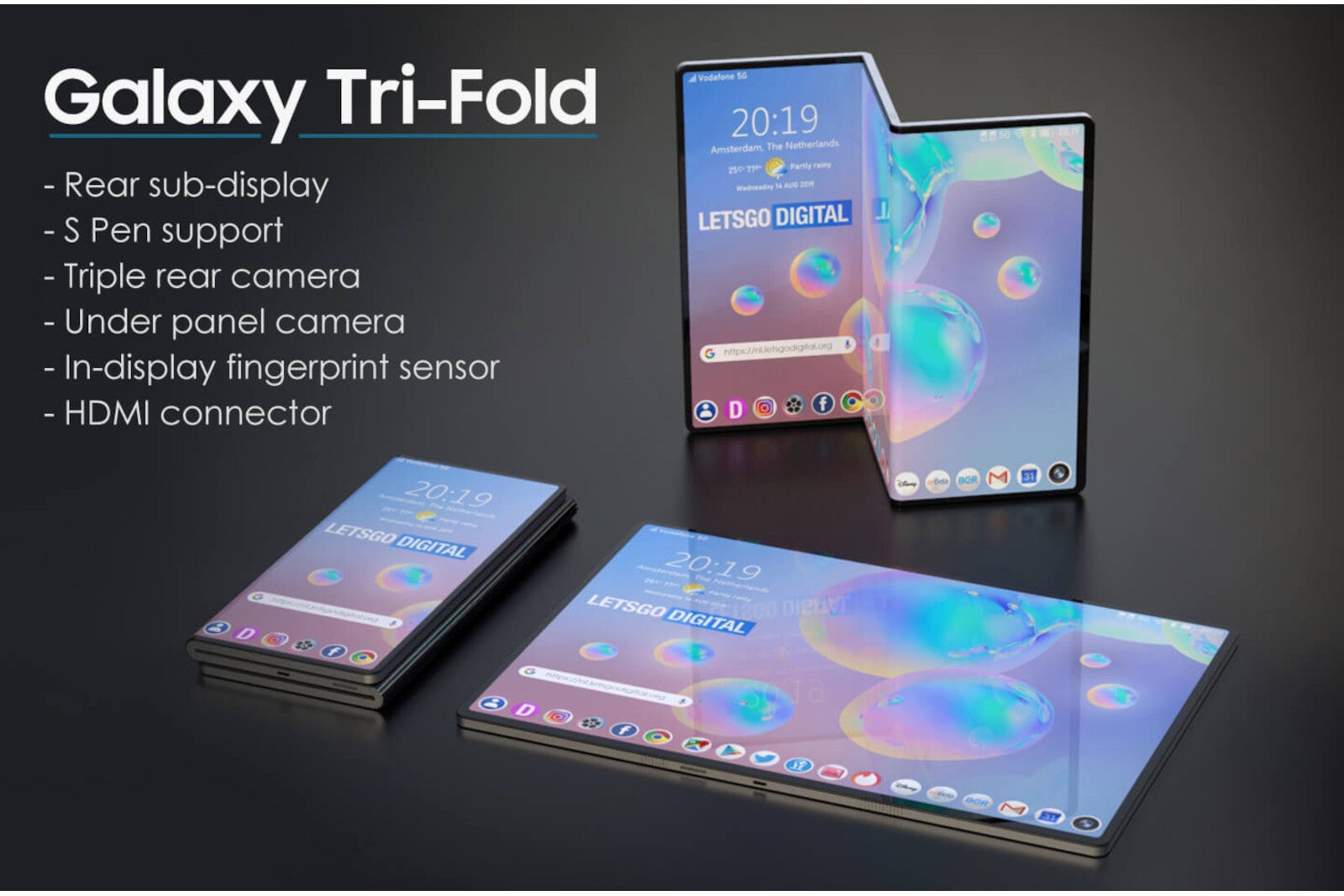
Design and Build: Engineering Marvel with Practical Trade-offs
The Galaxy Z TriFold uses an inward-folding design with two hinges, folding into a compact phone and unfolding into a 10-inch tablet. When closed, it's 12.9mm thick and weighs 309g – noticeably chunkier than a standard slab phone but manageable in the hand. Unfolded, it's incredibly slim at just 3.9mm at its thinnest point, thanks to Samsung's Advanced Armor Aluminum frame and refined hinges.
One clever feature is the "auto-alarm" system – if you try to fold it incorrectly, it vibrates and shows on-screen alerts to prevent damage. Samsung claims the hinges are tested for 200,000 folds (that's about 100 folds a day for five years). The main display has minimized creases, and it's protected when folded.
It's available in a single Crafted Black color, giving it a sleek, premium vibe. IP48 rating means it's water-resistant but not fully dust-proof – typical for foldables.
Compared to Huawei's Mate XT (which folds outward and offers a middle "mini-tablet" mode), Samsung's approach prioritizes protecting the big inner screen. I prefer this for everyday durability.
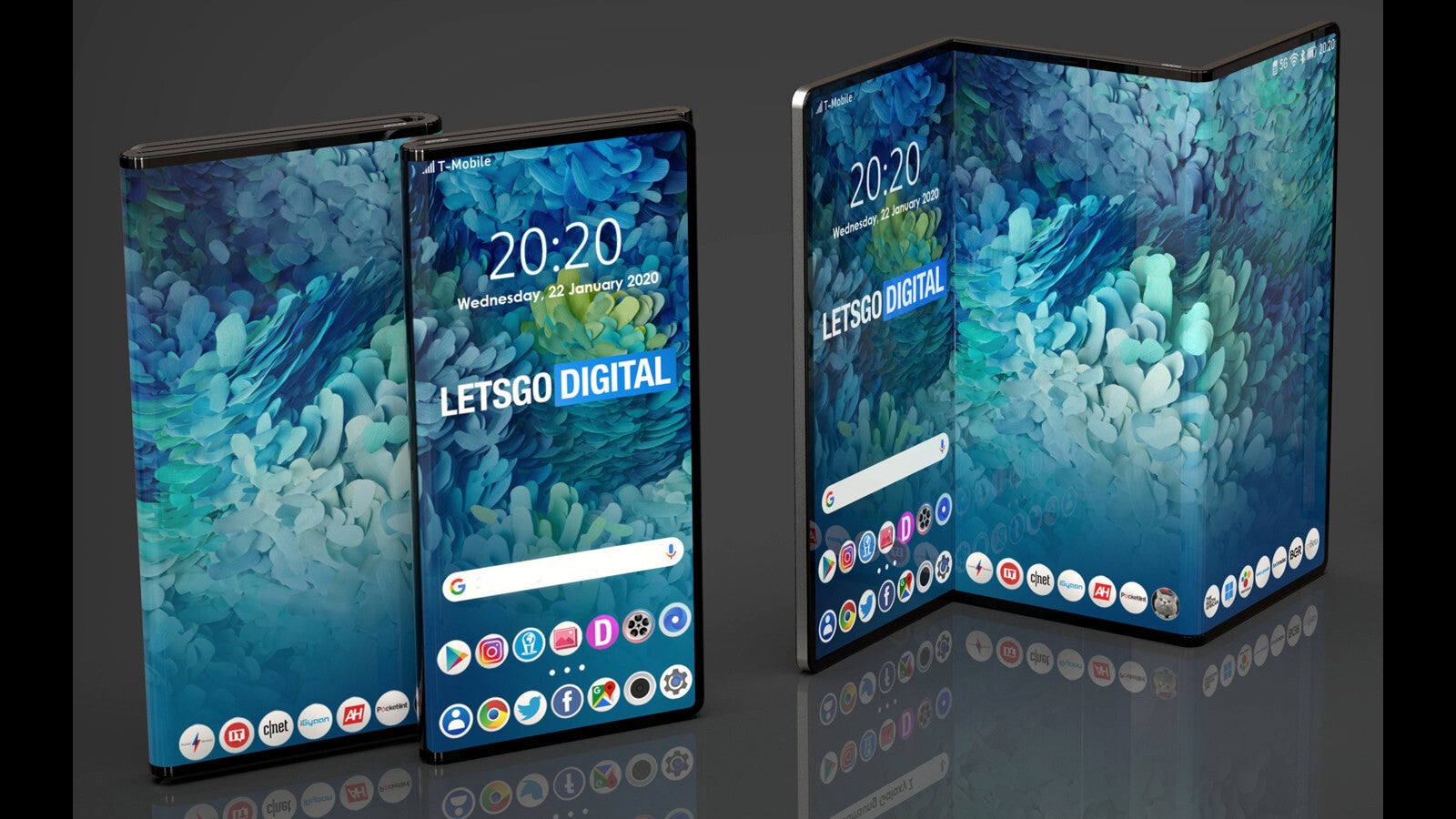
Displays: From Phone to Tablet in Seconds
- Cover screen: 6.5-inch OLED, sharp and bright for quick tasks.
- Main inner display: Massive 10-inch LTPO AMOLED when fully unfolded – perfect for movies, editing docs, or splitting the screen.
The software shines here: You can run three full apps side-by-side vertically, or use pop-up windows for more. Drag-and-drop between apps is seamless. Samsung even added standalone DeX mode – pull down the quick settings, and boom, desktop interface. Pair it with a Bluetooth keyboard and mouse, and it's a legit portable workstation.
Performance and Battery: Flagship Power That Lasts
Powered by the Snapdragon 8 Elite for Galaxy chipset with 16GB RAM and up to 1TB storage. It's blazing fast for multitasking on that huge screen, gaming, or AI features.
Battery is a standout: 5,600mAh split across three cells for balanced power. Samsung says it delivers all-day use, even with the big display open. 45W fast charging gets you to 50% in about 30 minutes.
Cameras: Borrowing the Best from Samsung's Ultras
The rear setup is a triple camera borrowed from the Z Fold7:
- 200MP main sensor
- 12MP ultrawide
- 10MP 3x telephoto
Dual 10MP selfie cameras (one on cover, one inside). Photos are sharp, colors pop, and low-light performance is excellent. Video recording is top-tier too.
Software and AI: Galaxy AI on Steroids
Running One UI 8 based on Android 16, with full Galaxy AI suite: generative edits, sketch-to-image, real-time translation, and more. The big screen makes features like Note Assist or Circle to Search even more useful.
Pricing and Availability
The Galaxy Z TriFold launched in Korea on December 12, 2025, and is rolling out to select markets. U.S. availability is expected in Q1 2026.
Price in Korea: around $2,450 USD for the 512GB model (some reports vary slightly between $2,440-$2,500).
In INR (at current exchange rates around 91 INR per USD): approximately ₹2,23,000 to ₹2,28,000 (plus any import taxes if applicable in India – official India pricing TBD).
It's premium pricing for a premium, niche device – aimed at creators, executives, and early adopters who want maximum screen real estate without carrying a tablet.
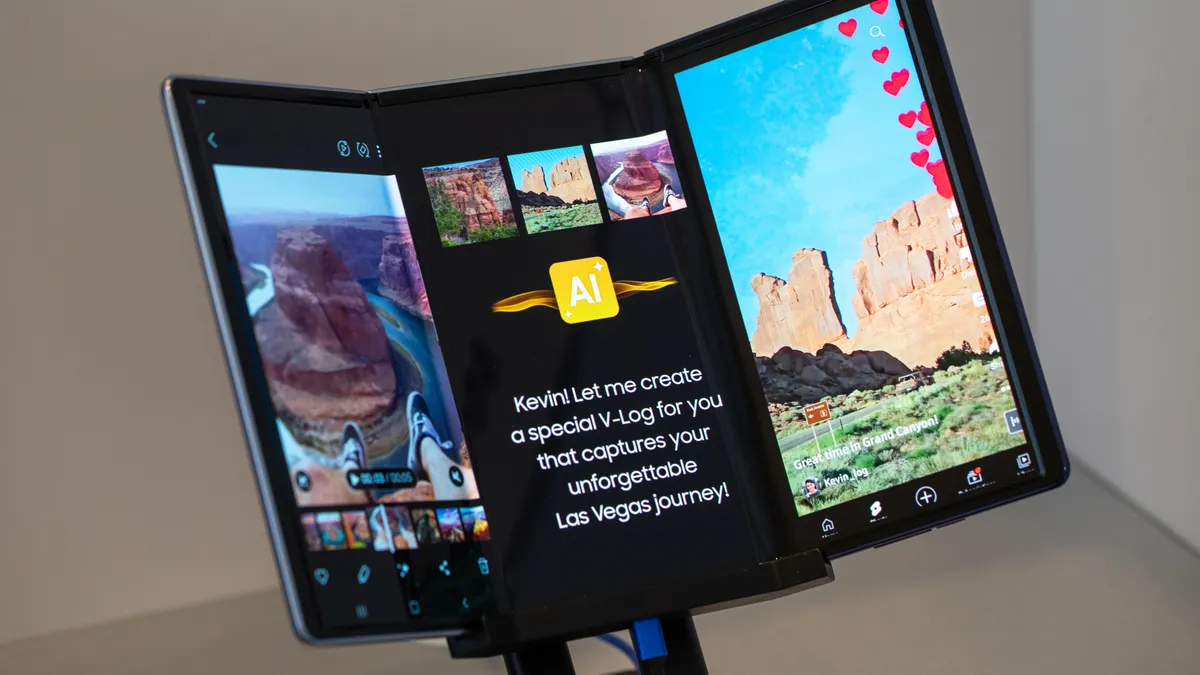
Final Thoughts: Is the Galaxy Z TriFold Worth It?
If you're deep in the Samsung ecosystem and crave a device that blurs the line between phone and tablet, this is revolutionary. The build quality, software optimization, and that massive screen make it feel like the future.
But at this price, it's not for everyone. It's a statement piece – showcasing what's possible in mobile tech. Samsung played it smart by focusing on durability and usability over rushing to beat Huawei.
What do you think? Would you splurge on a tri-fold, or stick with a traditional foldable? Drop your thoughts in the comments – I'd love to hear!
If you've got one already (lucky you in Korea!), share your experiences.
Thanks for reading – stay tuned for more tech deep dives!


Comments
Post a Comment