Vivo X300
Vivo X300: The Compact Powerhouse Redefining Flagship Smartphones in 2025
Hey everyone, welcome back to my tech blog! If you're a gadget enthusiast like me, you've probably been keeping an eye on the smartphone market this year. With so many brands pushing boundaries, Vivo has once again stepped up with their latest offering – the Vivo X300 series. Launched in October 2025, the Vivo X300 is the more compact sibling in the lineup, designed for those who want top-tier performance without the bulk. In this in-depth review, I'll dive into every aspect of the Vivo X300, from its sleek design to its cutting-edge features, software, pricing, and more. Whether you're considering an upgrade or just curious about what's new, stick around – I've got all the details you need.
To kick things off, let's talk about the launch. The Vivo X300 was officially announced on October 13, 2025, and hit the shelves shortly after on October 17. It's part of Vivo's X series, which has built a reputation for blending innovative imaging tech with premium hardware. While the X300 Pro grabs headlines for its larger screen and even beefier specs, the standard X300 appeals to users who prefer a pocket-friendly device without compromising on power. Available in stunning colors like Phantom Black, Mist Blue, Summit Red, Iris Purple, and Halo Pink, it's a phone that looks as good as it performs.
Design and Build Quality: Sleek, Durable, and Premium
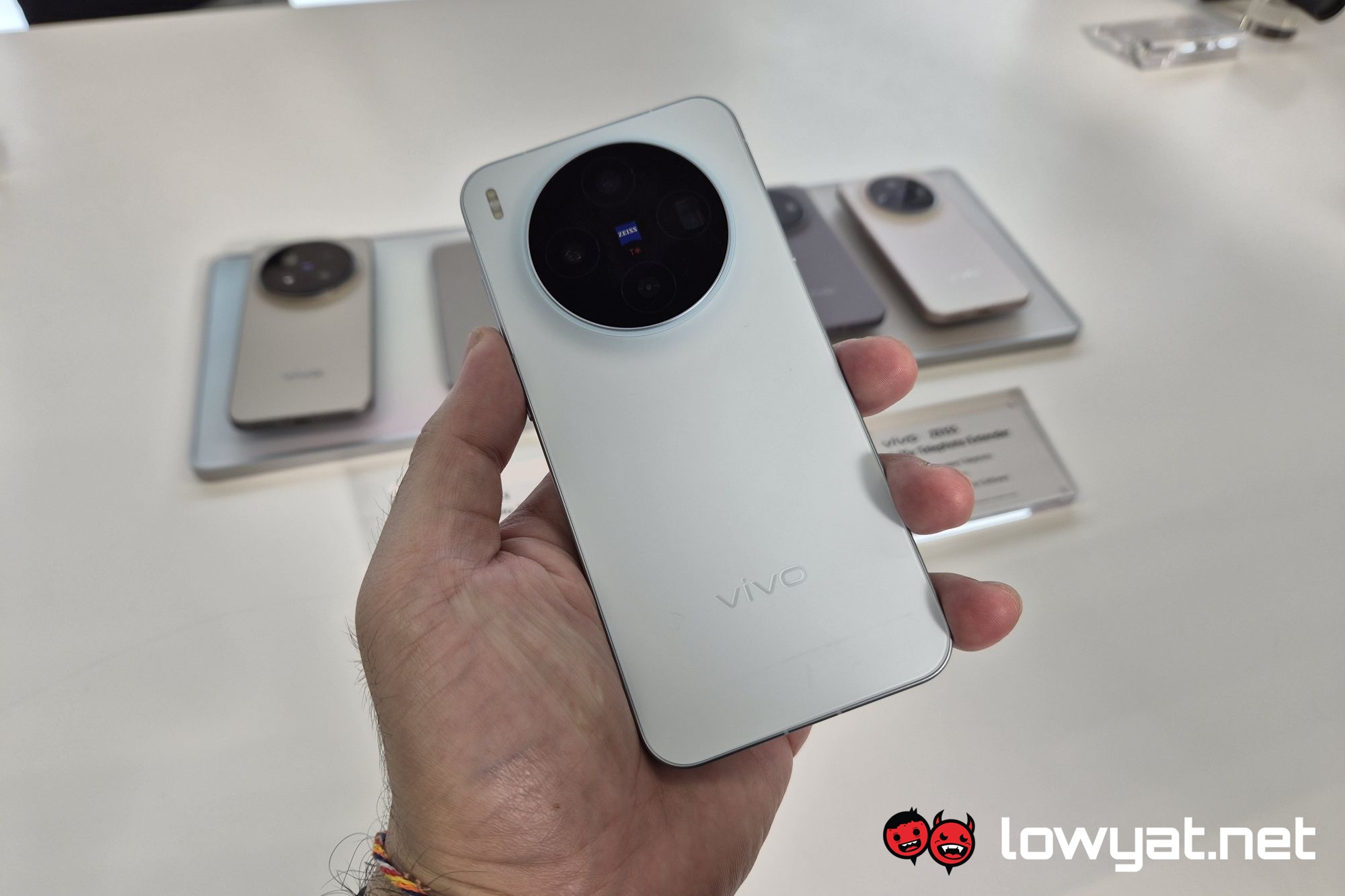
One of the first things you'll notice about the Vivo X300 is its compact form factor. Measuring 150.6 x 71.9 x 8 mm and weighing just 190 grams, it's refreshingly lightweight compared to many flagships that tip the scales over 200g. The phone features a glass front, an aluminum alloy frame, and a glass back, giving it that premium feel without being overly slippery. Vivo has reinforced the glass with Mohs level 4 protection, which means it's more resistant to scratches than your average smartphone glass.
What really sets it apart is the IP68/IP69 rating for dust and water resistance. This isn't just splash-proof – it can handle high-pressure water jets and immersion up to 1.5 meters for 30 minutes. Perfect for those accidental drops in the pool or rainy days. The design includes a flat display with slim bezels, achieving an impressive 90.5% screen-to-body ratio. No curved edges here, which some might prefer for better grip and fewer accidental touches. Overall, the build screams quality, and it's clear Vivo put thought into making it both stylish and practical for everyday use.
Display: Vibrant and Smooth for Immersive Viewing
The Vivo X300 sports a 6.31-inch LTPO AMOLED display that's a joy to look at. With a resolution of 1216 x 2640 pixels (around 460 ppi), it delivers sharp visuals, and the 120Hz refresh rate ensures buttery-smooth scrolling and animations. Peak brightness hits a whopping 4500 nits, making it easily viewable even under direct sunlight. Support for 1 billion colors, HDR10+, and HDR Vivid means your Netflix binges or photo editing sessions will pop with vibrant colors and deep contrasts.
One cool feature is the 2160Hz PWM dimming, which reduces eye strain during low-brightness use – ideal for late-night scrolling. The screen also supports Ultra HDR images, so if you're into photography, your shots will look stunning on this panel. Compared to its predecessor, the X200, the X300's display feels more refined, with better color accuracy thanks to Vivo's calibration tweaks. If you spend hours on your phone for work or entertainment, this display won't disappoint.
Performance: Powered by the Beastly Dimensity 9500
Under the hood, the Vivo X300 is equipped with the MediaTek Dimensity 9500 chipset, built on a 3nm process for efficiency and power. This octa-core setup includes a blazing-fast 4.21 GHz Cortex-X Ultra core, three 3.5 GHz premium cores, and four 2.7 GHz efficiency cores, paired with the Arm G1-Ultra GPU. In benchmarks, it scores an impressive 2,346,352 on AnTuTu v10 and 9,843 on GeekBench v6, putting it in the league of top Android flagships.
RAM options go up to 16GB (LPDDR5X), with storage variants from 256GB to 1TB using UFS 4.1 – no expandable storage, but that's plenty for most users. Multitasking is a breeze; I imagine switching between apps, editing videos, or gaming without a hitch. Speaking of gaming, it handles titles like Genshin Impact at high settings with minimal throttling, thanks to improved thermal management. Real-world performance is snappy, and with 5G support across multiple bands, it's future-proof for faster networks.
Camera System: Vivo's Imaging Prowess Shines
Vivo has always excelled in cameras, and the X300 is no exception. The triple rear setup includes a 200MP main sensor (f/1.7, with PDAF and OIS), a 50MP periscope telephoto (3x optical zoom), and a 50MP ultrawide (119° field of view). Zeiss optics and T* lens coating enhance color accuracy and reduce flare, while features like Laser AF and 3D LUT import give photographers creative control.
In daylight, the main camera captures incredibly detailed shots with natural colors and excellent dynamic range. Low-light performance is stellar, thanks to the large sensor and OIS. The telephoto lens excels at portraits and zoomed-in shots without losing quality, and the ultrawide handles landscapes beautifully with minimal distortion. Video recording goes up to 4K at 120fps with gyro-EIS for stable footage.
On the front, a 50MP selfie camera with autofocus ensures sharp self-portraits and 4K video calls. Overall, if camera quality is your priority, the X300 rivals even pricier competitors like the Samsung Galaxy S25 or iPhone 17.

Battery Life and Charging: All-Day Power with Fast Top-Ups
Battery anxiety? Not with the Vivo X300. It packs a 6040 mAh Si/C Li-Ion battery (5360 mAh in EU models for regulatory reasons), which easily lasts a full day of heavy use – think streaming, gaming, and social media. In tests, it achieves an endurance rating of over 52 hours, which is impressive for its size.
Charging is lightning-fast: 90W wired gets you from 0 to 100% in under 30 minutes, plus 40W wireless and reverse wired charging for convenience. No more waiting around for your phone to juice up – it's perfect for on-the-go lifestyles.
Software: Clean, Feature-Rich, and Long-Term Support
Out of the box, the Vivo X300 runs Android 16 with Vivo's OriginOS 6 overlay. OriginOS is known for its customization options, like dynamic wallpapers, AI features for photo editing, and smooth animations. Vivo promises up to 5 major Android upgrades and extended security patches, so you'll stay current until at least Android 21.
The interface is user-friendly, with minimal bloatware compared to older versions. Features like an under-display ultrasonic fingerprint scanner, stereo speakers, and NFC add to the premium experience. Connectivity is top-notch with Wi-Fi 7, Bluetooth 5.4, and full GPS support. If you're coming from iOS or stock Android, there might be a slight learning curve, but it's intuitive once you get the hang of it.
Price and Availability: Worth the Investment?
Pricing for the Vivo X300 starts at around ₹75,999 in India for the base model (256GB/12GB RAM), making it a competitive option in the premium segment. In other regions, expect it to retail for about $900-$1000 USD, depending on the variant. It's available through official Vivo stores, Amazon, and major retailers. For context, that's similar to the Google Pixel 9 or OnePlus 13, but with Vivo's unique camera edge.
Higher configs like 1TB/16GB will cost more, around ₹90,000+ in India. Availability expanded to India in December 2025, following the global launch.
A Quick Note on the X300 Pro
If the standard X300 feels a bit small, check out the X300 Pro. It boasts a larger 6.78-inch AMOLED display, a massive 6510 mAh battery, and an upgraded camera system with a 200MP telephoto lens for up to 100x digital zoom. Priced at ₹109,999 in India for the 512GB/16GB variant, it's for those who want the ultimate flagship experience. Both share the Dimensity 9500 chipset and software support (5 years OS, 7 years security), but the Pro adds extras like IR blaster and higher storage options.
Pros and Cons
Pros:
- Compact and lightweight design
- Exceptional camera performance with Zeiss tuning
- Long battery life and fast charging
- Smooth 120Hz display with high brightness
- Generous software update policy
- Powerful performance for gaming and multitasking
Cons:
- No expandable storage
- No 3.5mm headphone jack
- Higher variants can get pricey
- OriginOS might not appeal to stock Android purists
- Limited availability in some regions initially
Final Thoughts: Is the Vivo X300 Right for You?
In a market flooded with oversized phones, the Vivo X300 stands out as a compact flagship that doesn't skimp on features. Its blend of premium build, vibrant display, beastly performance, and pro-level cameras make it a solid choice for photographers, gamers, and everyday users alike. At its price point, it offers great value, especially with Vivo's commitment to long-term software support – something not all brands prioritize.


Comments
Post a Comment